예언의 노동 (The Labor of Prophecy)
2026
인공지능이 시스템이자 환경으로 기능하고 있는 현재, 우리의 선택은 어느 때보다 선명하다. 우리는 과거 인공지능에 대한 공포를 기억하지 못하는 듯 빠르게, 그리고 깊게 인공지능에 의존하고 있다. 우리는 인공지능에 우리의 선택과 기억을 위탁하며 살아간다. 지금의 우리는 신탁에 의존하던 시절의 인간과 다르지 않다.
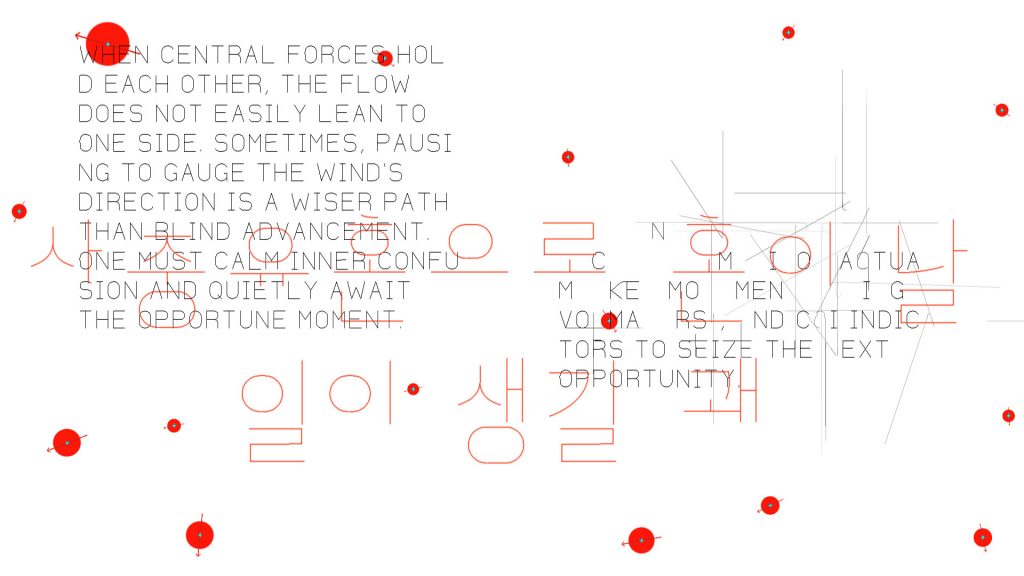
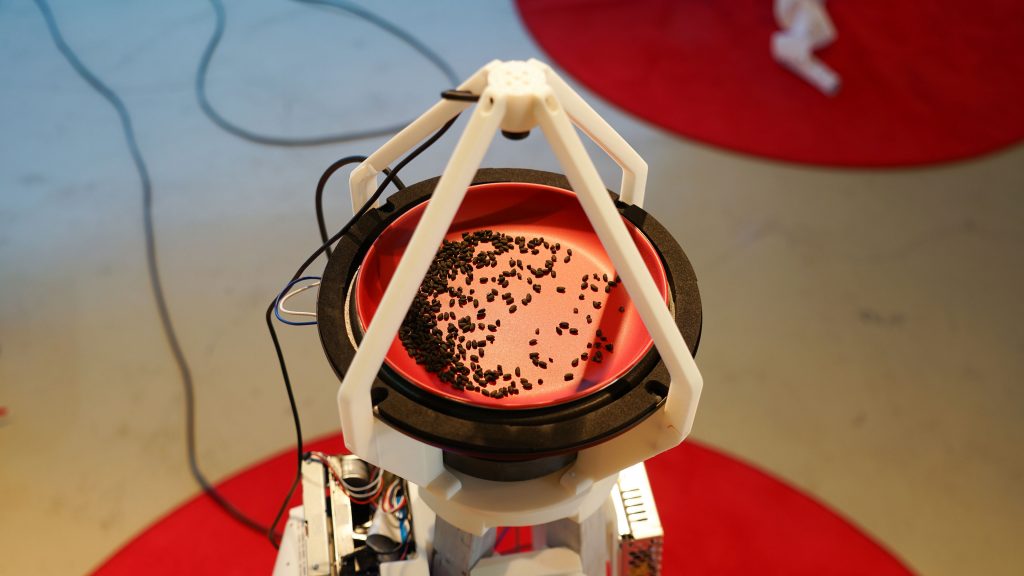
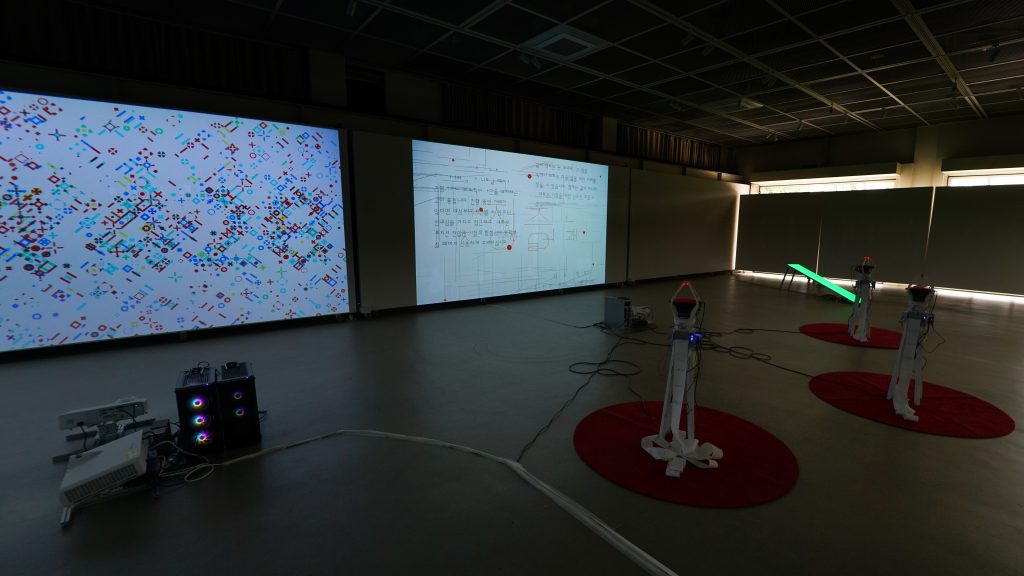
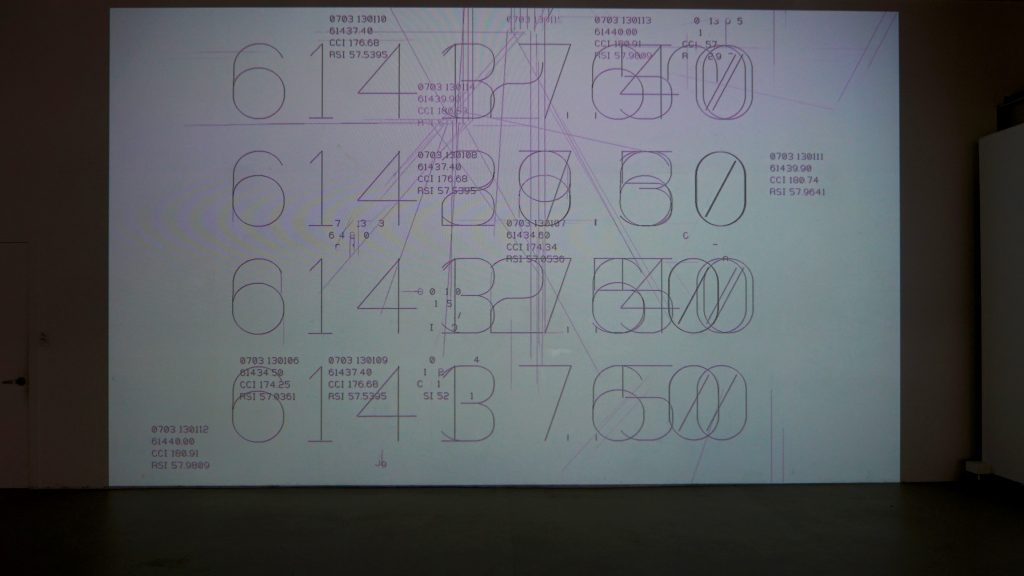
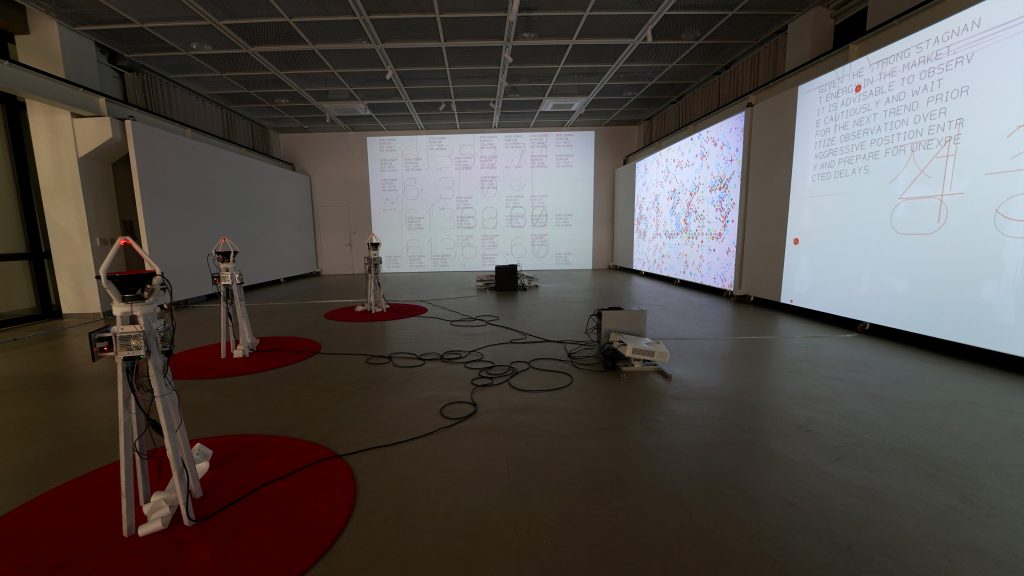
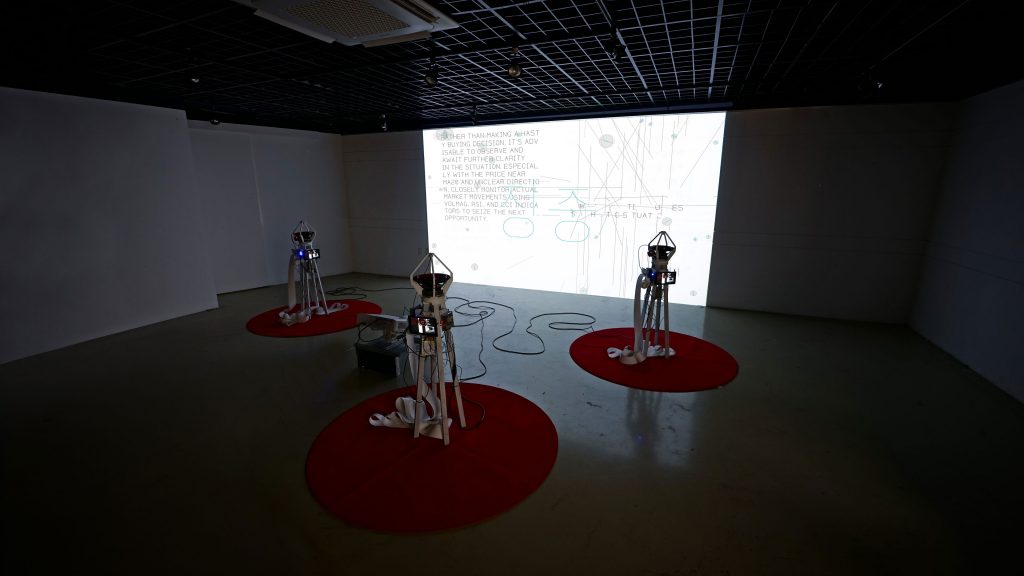
《예언의 노동》은 신탁적 발화 구조를 인공지능 예측 시스템과 결합한 기계다. 작품은 인간이 불확실한 선택의 순간에 어떤 외부의 요인에 의존하는지를 이야기한다. 신탁적 발화구조를 구현하기 위해 한국의 신시점 중 하나인 쌀점을 기초로 알고리즘을 구축하였으며, 실시간 가상화폐의 기술 지표들을 수집해 의례적인 또는 시적인 점괘를 내놓는다. 이러한 신탁적 예언이 어떤 편향을 암시하는지 이해하지 못한 채 불확실한 예언적 권위에 판단을 위임하는 인공지능 장치로 기능한다.
나는 이 작품이 신시점이 가지는 허상과 인공지능 기술 기반의 예측 시스템 사이의 구조적 유사성을 드러내는 불온전한 기계로 작동하길 희망하며, 동시에 윤리적 긴장과 심리적 동요를 유발하는 불순한 기계로 작동하길 기대한다.
At a time when artificial intelligence functions both as a system and as an environment, our choice appears clearer than ever. As if we no longer remember the fear we once felt toward artificial intelligence, we are coming to depend on it rapidly and deeply. We live by entrusting our choices and memories to AI. In this sense, we are no different from humans of the past who relied on oracles.
The Labor of Prophecy is a machine that combines an oracular structure of speech with an AI-based predictive system. The work explores the external forces on which humans rely in moments of uncertain decision-making. To implement this oracular structure, the algorithm is built upon “ssaljeom”, a form of Korean divination using rice grains. The system collects real-time technical indicators from cryptocurrency markets and produces ritualistic or poetic divinations. It functions as an AI apparatus that delegates judgment to an uncertain prophetic authority, without fully understanding what kinds of biases such oracular predictions may imply.
I hope this work operates as an imperfect machine that reveals the structural similarities between the illusion inherent in divination and predictive systems based on artificial intelligence. At the same time, I expect it to function as an impure machine—one that provokes ethical tension and psychological disturbance.
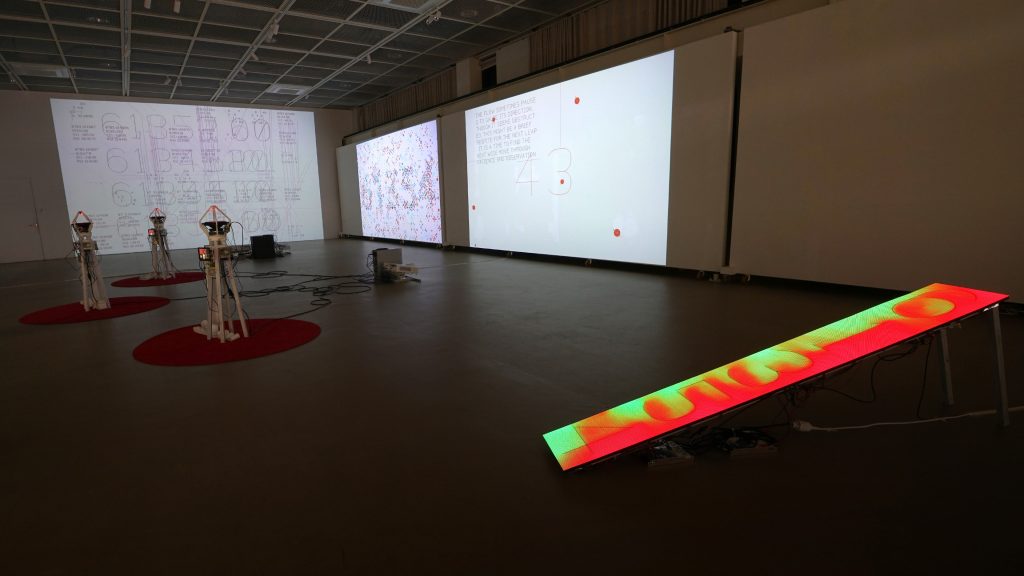
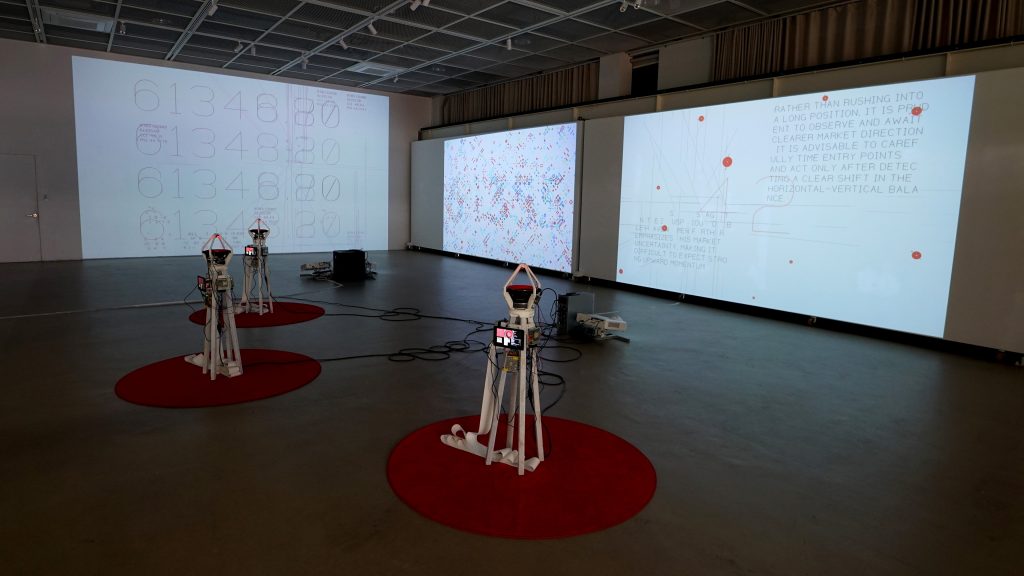
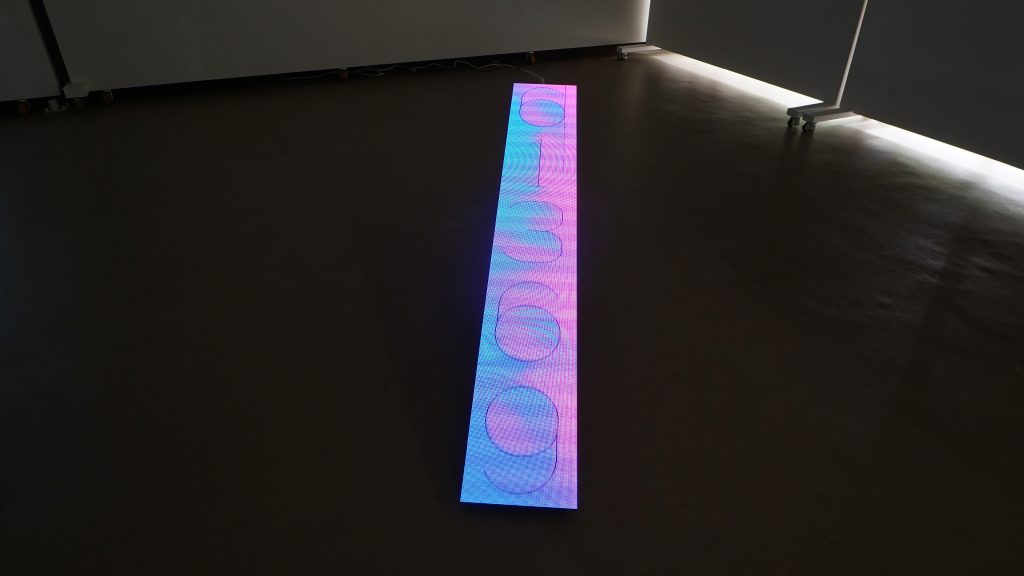
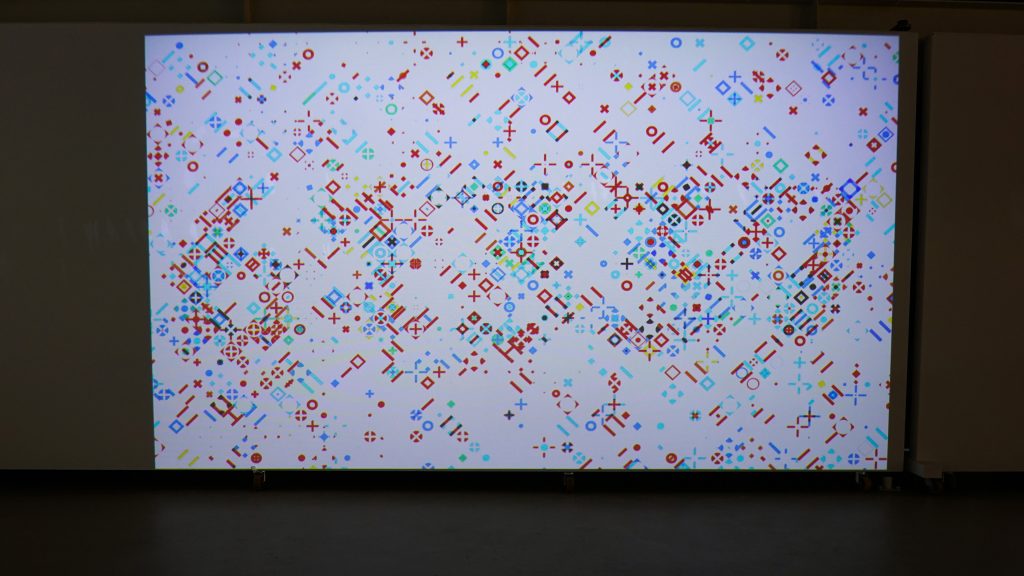
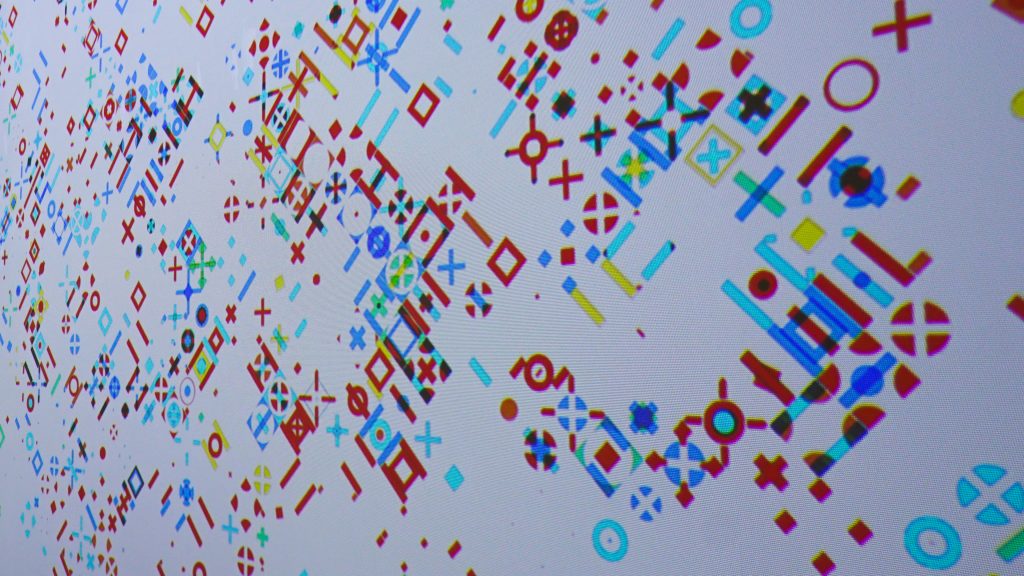
이번 개인전은 사람들의 인공지능에 대한 맹목적인 신뢰와 의존, 그리고 객관적인 분석이라는 이름 뒤에 숨겨진 몽상에 대한 이야기를 담고 싶었습니다. 일주일이 멀다하고 인공지능에 대한 판단은 계속 바뀌고 있지만, 언제부터인지 인공지능을 사용하는 사람들의 행태는 하나의 방향으로 움직이고 있다는 생각이 듭니다. 마치 신탁에 의존했던 과거의 사람들처럼 우리는 인공지능에 대해 맹목적인 믿음을 보내고 있어요. 저는 이번 전시에서 인공지능에 대한 맹신에 우리가 한때 희망하고 기대했던 가상자산에 대한 환상을 더하고 싶었습니다. 전시 작품은 환각처럼 흩어지고 뭉쳐지는 계산되지 않은 숫자와 쉬이 보이지 않는 분해된 수, 분석으로 포장된 계산된 수치들, 그리고 기계들로부터 계산된 점괘에 묶여 끊임없이 신탁을 토해내는 화면으로 구성되어 있어요. 다섯 개의 작품은 서로 떨어져 있지만 하나의 기능을 수행하기 위해 분업하는 공장의 컨베이어 밸트처럼 동작합니다.
For this solo exhibition, I wanted to speak about people’s blind trust in and dependence on artificial intelligence, as well as the fantasies concealed behind the name of objective analysis. Judgments about AI seem to change almost every week, yet at some point I began to feel that the ways people use AI are moving in a single direction. Like people in the past who relied on oracles, we are placing a kind of blind faith in artificial intelligence.
In this exhibition, I wanted to add to this blind faith in AI the illusions we once projected onto and hoped for in virtual assets. The works in the exhibition are composed of numbers that scatter and gather like hallucinations, uncalculated figures that are broken down and difficult to perceive, calculated data disguised as analysis, and screens that, bound to divinations computed by machines, endlessly vomit forth oracles.
Although the five works are physically separate from one another, they operate like a factory conveyor belt, dividing labor in order to perform a single function.